Mentoring at SPORTFIVE: Growing with the Support of a Personal Sparring Partner
Published on
by Kristin Podewils
Sometimes, a single conversation is all it takes to gain a new perspective. With its mentoring program, SPORTFIVE creates dedicated opportunities for exactly that kind of exchange. Experienced colleagues share their knowledge, support others on their career journeys, and gain valuable new insights in return. In this interview, Anne Ellerbrock and Marcus Hoppe discuss how mentoring works at SPORTFIVE and why its recipe for success is actually quite simple.
In this Insight:
How did the mentoring program come about?
Marcus Hoppe:
The mentoring program was launched in 2021 in response to feedback from an employee survey, where colleagues expressed a desire for stronger internal networking and opportunities to exchange ideas in a more structured and trusted setting, beyond the informal conversations that happen around the coffee machine. It was originally initiated by our colleague Lea Weinert, who is currently on parental leave, and she played a key role in establishing the program.
One of the most important factors in successful mentoring is the matching process, bringing together mentors and mentees who are the right fit for one another. Having been with SPORTFIVE for many years and working as an internal coach, I know a wide range of colleagues across the business. That is how I ended up being brought in as the program’s all-round problem solver.
What is the idea behind the mentoring program?
Anne Ellerbrock:
A large part of personal and professional growth happens through meaningful exchange with others. Often, the most valuable insights come from conversations with people who have faced similar or entirely different experiences. That is exactly what the mentoring program is designed to provide: a trusted space for dialogue, reflection, and new perspectives, whether the focus is on personal topics, professional development, or knowledge sharing. In this way, it complements SPORTFIVE’s existing development opportunities with a highly personal and individual approach.
We bring mentors and mentees together, with the mentees’ goals and interests at the heart of the program. Whether they are looking for guidance on specific professional topics, personal development, or their next career step, the agenda is defined by them. Mentors support the process by sharing their experience, providing guidance, offering fresh perspectives, and helping mentees navigate challenges and develop solutions.
At the same time, we regularly see that mentors benefit from the exchange as well. They gain new insights, broaden their own perspectives, and reflect on their experiences through a different lens.
How do you become a mentor or mentee at SPORTFIVE?
Marcus Hoppe:
The mentoring program is open to all permanent employees at SPORTFIVE. Anyone interested in becoming a mentee can simply reach out to Anne or me and share what they are looking for. Employees who would like to become mentors can join the program through a call for participation on the intranet, or they may be approached directly by us.
In many cases, mentors bring more professional expertise, career experience, or life experience to the relationship. However, one thing is particularly important to us: mentors do not have to be older, hold a certain position, possess specialist expertise, or have been with the company for many years. In fact, we often find that colleagues, especially women, tend to underestimate the value of their own experience when we approach them about becoming mentors.
At its core, being a mentor is simply about being willing to share your knowledge and help others grow through your experience.
The secret to the program’s success lies in its simplicity. Mentors do not need any formal training, just the willingness to invest some time and connect with their mentee every three to four weeks.
Marcus Hoppe
How does the mentoring program work in practice, and how many mentoring pairs have taken part so far?
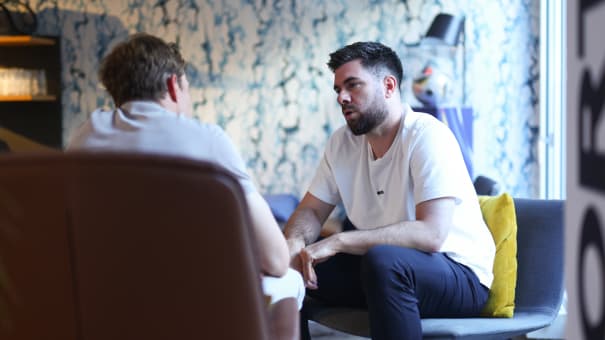
Marcus Hoppe: The program has grown steadily over the years. In the past two years alone, we have had more than 50 mentoring pairs. I believe its success comes down to one simple factor: accessibility. Mentors do not need any formal training or special qualifications. All it takes is a little time and a willingness to connect with their mentee every three to four weeks. That low barrier to entry makes it easy for people to get involved.
What mentors and mentees do with that time is entirely up to them. Whether they meet for a coffee, go for a walk, catch up remotely, discuss professional topics, career development, or more personal matters, each mentoring relationship is shaped by the needs and interests of the individuals involved.
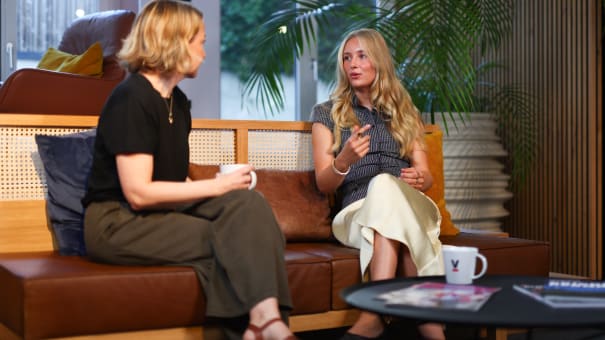
Anne Ellerbrock: The program is originally designed to run for six months. However, many mentoring pairs choose to continue beyond that because they find the exchange valuable for both sides. Along the way, we gather feedback and check in at the end to see how things are progressing. During these check-ins, it is especially important to us that while we understand how the mentoring relationship is developing and whether any support is needed, the actual conversations remain confidential between the mentor and mentee. Trust and confidentiality are absolutely essential.
Another key aspect is encouraging mentees to share feedback with their mentors once the program comes to an end. The mentoring program thrives on continuous learning. A mentor who takes part in one mentoring relationship may well support another in the future, and the feedback they receive from a mentee can provide valuable insights into how they can be even more effective next time.
Can you share any success stories from the program?
Marcus Hoppe: When I look at the career paths of former mentees, I see plenty of personal success stories. I’ve been a mentor three times myself, and for me, those were hugely rewarding experiences because I was able to watch my mentees grow, gain confidence, and develop over time.
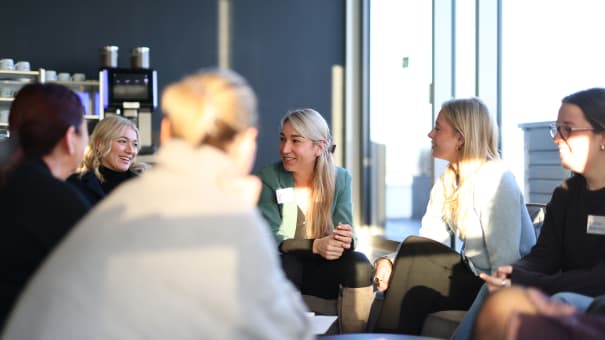
Anne Ellerbrock: Some former mentees have since gone on to become mentors themselves and are now passing on their knowledge to others. For me, that is a wonderful sign that the program is having a lasting impact. Another real success indicator was the feedback we received through our mentoring survey. The response was overwhelmingly positive and incredibly encouraging for everyone involved. A great deal of that credit goes to our mentors, whose commitment has made the program such a success and continues to do so.
Marcus Hoppe: I think one of the key reasons the program works so well is the openness to knowledge sharing that exists at SPORTFIVE. People genuinely support one another and are willing to help colleagues grow. In fact, every mentor we have approached has been willing to get involved. We often hear similar feedback from new joiners, who appreciate how welcoming the company is and how comfortable they feel reaching out to anyone with questions. That is something that cannot be taken for granted and is not necessarily the case in every organization.
