
Changing Gears: Analysing Cycling's Sponsorship Landscape in 2026
Published on
In 2026, cycling sponsorships are evolving faster than the sport itself.
Teams are no longer backed solely by traditional bike manufacturers; they now operate as global marketing platforms competing for visibility across streaming, social media and emerging international markets. As sponsorship spending climbs beyond €660 million across the men’s WorldTour alone, the pressure to deliver measurable return on investment has never been greater.
This article explores how cycling’s sponsorship model is changing in 2026 - and what those shifts reveal about the future of the sport.
In this Insight:
How Sponsorship Shapes Cycling
Professional cycling has one of the most distinctive commercial models in global sport. Unlike most other sports - where teams provide their sponsoring partners with a brand equity platform to activate across - professional cycling teams and their sponsors are deeply integrated with a brand identity that often co-exists and mutually benefits each party.
This creates both opportunity and risk. On the one hand, cycling provides sponsoring brands with more collaboration, integration and storytelling opportunities than any other sport can provide. On the other hand, the minimum threshold for a sponsor to get involved in cycling is very high. Brands have to commit, time, resources and money to see success - something many organisations have understood and benefitted from.
As a result, professional cycling's unique sponsorship landscape attracts a much wider spectrum of industries, than most other sports. In 2025 SPORTFIVE analysed this landscape and with the 2026 season well underway, we've returned to look at how the market has changed, which new sponsors have appeared and to understand the fans behind this continued interest from such a plethora of industries.

Comparing Diversity 2025 to 2026
In 2025, the WorldTour ecosystem featured 53 title sponsorships across 33 teams, representing 48 unique organisations. This reflected a broad and highly diverse commercial landscape, with investment distributed across a wide range of brands and industries - see full breakdown here.
By the beginning of 2026, the sponsorship landscape had begun to evolve. The number of title sponsors within the WorldTour has been adjusted to 46 across 32 teams, pointing toward a more concentrated but increasingly strategic investment environment. The beginning of the 2026-2028 licence cycle also encouraged teams and sponsors to reassess long-term commercial structures and partnership models.
Rather than indicating weaker commercial interest, the trend suggests the continued maturation of cycling’s sponsorship market: fewer sponsors overall, but partnerships that are deeper, more stable, and more integrated across teams, regions, and activation strategies.

Comparing Sponsor Industries 2025 to 2026
Cycling has historically attracted sponsors from a wide range of industries, and that remains true today, although the composition is gradually changing. As of 2025, the sponsorship landscape still shows a strong presence of consumer-facing brands, including those in food, betting, and clothing.
Alongside these, there is continued reliance on cycling-related companies such as bike manufacturers and apparel brands, which remain central to the sport’s ecosystem. Government bodies and regional tourism organisations are also playing an increasingly visible role, using cycling as a platform to promote destinations and public initiatives.
Looking ahead, several new patterns are emerging. One of the most notable trends is the rise of non-endemic, industrial sponsors. Global logisitcs firms such as CMA CGM, as well as investment groups are becoming more prominent, reflecting cycling's growing appeal as a global B2B marketing platform.

At the same time, technical sponsorship continues to dominate, with established equipment suppliers maintaining deep integration across multiple teams, underlining the importance of performance-driven partnerships.
Another key development is the growth of links between cycling and the mobility or automotive sectors. New partnerships with automotive brands suggest a broader alignment with evolving mobility narratives, positioning cycling within a larger transportation and sustainability conversation.
Overall, cycling sponsorship is transitioning away from a model heavily dominated by consumer brands toward a more diversified mix that includes industrial players, technology-focused companies, and experience-led partners.
Who are the New Kids on the Block?
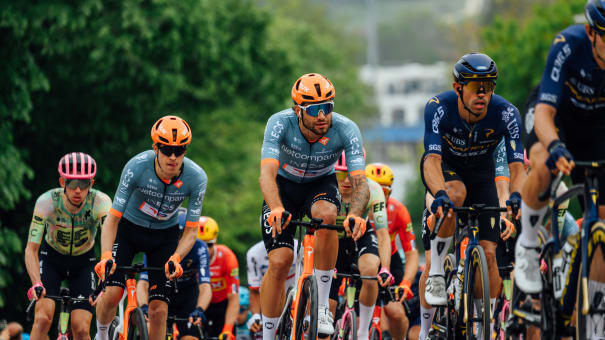
The 2026 season marks the start of a new sponsorship cycle, bringing a wave of changes rather than isolated deals. Instead of a few standalone announcements, the landscape is shifting more broadly as teams restructure their commercial partnerships.
Several examples highlight this evolution. CMA CGM, a global shipping company, is joining team naming structures, while Premier Tech is expanding its presence through title partnerships. Netcompany is the latest brand to enter the cycling sponsorship space, further highlighting the growing commercial appeal and global reach of the sport.
Rather than a simple increase in the number of sponsors, the key takeaway for 2026 is a structural shift defined by sponsor rotation, the upgrading of partnership tiers, and the entry of larger, globally oriented companies.

Fans Analysis
The interest from brands in cycling is clear - but what lies behind the desire of major organisations from such a vast breadth of industries to invest in sponsorship in the sport?
To understand that, we must first understand one of cycling’s greatest assets: its fans.
According to data received from GWI, cycling continues to attract a broad and highly engaged global audience. Cycling has a substantial fanbase and is one of the most widely followed sports globally, with appeal spanning both established cycling nations and emerging enthusiast markets. While the sport enjoys worldwide interest, its audience is particularly concentrated in Europe, where cycling is deeply embedded in sporting culture, national identity, and everyday lifestyle.
Large, highly populated markets including Germany, United Kingdom, Turkey, France, Italy and Spain generate some of the highest overall audience volumes due to their scale and long-standing engagement with the sport. Alongside these major markets, cycling achieves exceptionally high interest in smaller European nations. In Belgium, 41% of the population expresses an interest in cycling, while Denmark reaches 40%, underlining how cycling is woven into both sporting and daily life in these countries.
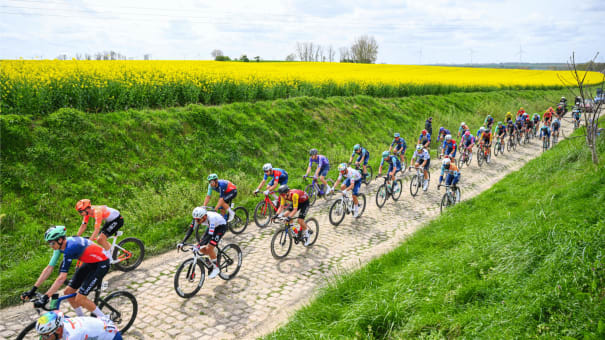
Outside Europe, Colombia stands out as one of cycling’s strongest global markets. A remarkable 59% of the population reports an interest in the sport, reflecting the country’s rich cycling heritage, strong elite performance on the international stage, and the sport’s accessibility and cultural relevance. The scale of engagement in Colombia demonstrates cycling’s ability to resonate far beyond its traditional European base and highlights the sport’s growing global footprint. This strong national interest also helps explain the long-standing involvement of Colombian brands in the sport, with sponsors such as Café de Colombia playing an important role in cycling’s history and reinforcing the deep cultural connection between the country and the sport.
Cycling audiences represent a highly valuable demographic for sponsors, with fans typically skewing towards older, affluent men who are often senior professionals or business owners. Compared to the average sports audience, cycling fans tend to have higher disposable incomes and stronger purchasing power, making them particularly attractive to premium and performance-focused brands.
They are also notably more tech-savvy than average consumers, with above-average adoption of smart home technology, higher usage of connected devices, and a stronger interest in photography and consumer tech.
In terms of media habits, cycling fans consume significantly more podcasts than the general population, while still maintaining strong engagement with print newspapers, specialist publications, and online magazines - creating multiple touchpoints for sponsors to reach an engaged, informed, and high-value audience.
Which Way is Cycling Moving and What Do the Changes Mean?
The 2026 sponsorship landscape suggests cycling is entering a new phase of commercial development, with several encouraging trends beginning to take shape. The sport is evolving from a highly fragmented marketplace toward a more structured and strategically aligned model, as longer-term and more targeted partnerships point to improving financial stability and growing sponsor confidence.
At the same time, cycling is broadening its commercial appeal beyond traditional regional backers, attracting an increasingly international mix of industries including logistics, technology, finance, and investment. This expansion is strengthening the sport’s global relevance and reinforcing its value as a modern marketing platform.
Frequently Asked Questions
Sponsorship is the financial support for a sporting event, organisation or athlete by an outside body, for the mutual benefit of both parties. At the professional level this tends to be by companies, to raise the profile of their brand by associating it with the athlete.
The company aims to generate brand awareness and customer recognition, whilst the event, organisation or athlete receives a boost in funding.
A popular example is a brand logo printed on a team shirt. Visibility is guaranteed, even more so in the modern world with social media and online highlights.
In the land of media and marketing rights today, there is no cookie-cut solution for brands, and a simple logo placement will not provide the sufficient return on investment (ROI) for sponsorship, nor does it give their target audience the “why?” - the reason to spend their money and engage with the product.
Companies investing in sports sponsorship need to look at the bigger picture to engage with fans and not rely on just one piece of inventory.
Sponsors get the opportunity to showcase their brand and products to a greater audience of varying demographics. The global nature of sport today means that athletes feature within competitions that attract millions, sometimes billions of viewers worldwide. By placing their brand within this sphere, organisations can catch the attention of people around the world.
In modern times, the value of social media cannot be underestimated. Even traditional forms of sponsorship are likely to appear on social media, opening the brand up to an even wider audience - even appearing in new territories.
Through placements on jerseys and advertising boards, sponsors get a high visual presence and become part of the action. If visibility is the core objective, then it's a surefire way to succeed, whether that’s inside the stadium, TV or online.
It is the emotional engagement which sets sponsorships in sport apart from almost all other forms of advertising and sponsoring initiatives. Traditional advertising platforms such as TV can attain similar reach figures to sport, but can’t compete with sports fans’ engagement.
The cost of sponsorship can vary significantly based on various factors, and there is no one-size-fits-all answer. Several elements influence the cost of sponsorship:
Property or Entity: The popularity, reach, and significance of the sponsored property, whether it's a sports team, event, athlete, or organisation, impact the cost.
Visibility and Exposure: The level of visibility and exposure offered to sponsors, such as logo placement, media coverage, and audience size, affects sponsorship pricing.
Duration of Sponsorship: Short-term sponsorships may cost less than long-term commitments. Multi-year agreements often come with discounted rates.
Event Type: Major events or high-profile sports competitions generally command higher sponsorship fees.
Industry and Demographics: The industry and demographics of the target audience also influence costs, as sponsorships reaching a highly sought-after demographic may be more expensive.
Geographic Scope: Local, regional, or global sponsorships have varying costs based on the geographic reach of the sponsored property.
To determine the cost, it's crucial to consider your specific goals, the value of the sponsorship in terms of exposure and engagement, and the negotiation process with the sponsored entity. Costs can range from a few thousand dollars for local sponsorships to millions for global, high-profile partnerships.
Sport sponsoring offers a range of benefits for brands, making it a valuable investment in marketing strategies:
Brand Visibility: Sponsoring provides extensive exposure through signage, uniforms, and broadcasts, increasing brand visibility to a wide and engaged audience.
Targeted Audience: Sports sponsorships enable brands to reach a specific and passionate target audience, aligning with the demographics and interests of sports fans.
Emotional Connection: Associating with sports entities helps create emotional connections with consumers, leveraging the positive sentiments associated with their favorite teams or athletes.
Global Reach: Sports sponsorships often have a global reach, allowing brands to connect with audiences on an international scale, contributing to global brand recognition.
Brand Image Enhancement: Sponsoring prestigious sports events or teams can enhance a brand's image, associating it with qualities such as excellence, teamwork, and success.
Consumer Engagement: Sponsorship activations, events, and promotions provide opportunities for direct consumer engagement, fostering brand loyalty and interaction.
Differentiation: Sponsoring allows brands to stand out from competitors by affiliating with unique and high-profile sports properties, differentiating themselves in the market.
Community Involvement: Sports sponsorship provides avenues for brands to support local communities and grassroots initiatives associated with the sponsored sports entities.
In essence, sport sponsoring contributes to enhanced visibility, brand loyalty, and positive brand associations, making it a potent tool for achieving diverse marketing goals.
Identifying appropriate sponsorships in the sports industry involves a strategic approach which considers your brand's goals and the dynamics of the sports landscape:
Define Objectives: Clearly articulate your marketing objectives, whether it's brand awareness, audience engagement, or community outreach.
Audience Alignment: Identify sports properties that resonate with your target audience, ensuring relevance and engagement.
Brand Values: Seek sponsorships that align with your brand's values and image, creating authentic connections with the sports entity.
Research Opportunities: Explore various sports teams, events, or athletes to find opportunities that match your criteria. Look for entities with a strong and positive presence.
Evaluate Reach: Assess the reach and visibility of potential sponsorships, considering factors like broadcast exposure, social media following, and event attendance.
Budget Considerations: Ensure that the sponsorship aligns with your budget while providing significant value in terms of visibility and audience engagement.
By considering these factors, you can identify sports sponsorships that align with your brand's goals, resonate with your target audience, and contribute to a successful partnership within the sports industry.
A good sponsorship fit is characterised by the alignment of the sponsoring brand with the sponsored entity in a way that creates mutual value and resonates with the target audience. Several factors contribute to a strong sponsorship fit:
Relevance: The sponsorship should align with the values, image, and interests of both the sponsoring brand and the sponsored entity, creating a natural and authentic connection.
Target Audience Alignment: The audience of the sponsored entity should closely match the target demographic of the sponsoring brand, ensuring that the partnership reaches the right consumers.
Brand Image Consistency: The sponsorship should enhance, not contradict, the overall image and messaging of the sponsoring brand, contributing positively to its perception.
Engagement Opportunities: A good fit provides meaningful opportunities for engagement, whether through events, activations, or collaborative campaigns, ensuring that the partnership goes beyond mere visibility.
Mutual Goals: Both the sponsor and the sponsored entity should share common objectives and goals, fostering a collaborative approach to the partnership.
Long-Term Viability: Ideally, a good sponsorship fit has the potential for a long-term relationship, allowing both parties to grow and evolve together.
Ultimately, a successful sponsorship fit is one where the collaboration is strategic, authentic, and creates a win-win scenario for both the sponsor and the sponsored entity.
If you are interested in becoming a sponsor, the specific contact person or department will depend on the entity or property you want to sponsor.
Sports Marketing Agencies: Agencies like SPORTFIVE specialise in connecting sponsors with sports opportunities. Contact their business development or sponsorship departments.
Sports Teams or Clubs: Contact the sponsorship or partnership department within the sports team or club.Look for information on the team's official website regarding sponsorship opportunities and contact details.
Sports Events or Leagues: Reach out to the event organiser's sponsorship or partnership department. Event websites often have dedicated sections providing information for potential sponsors.
Athletes: Contact the athlete's management or agent, who typically handles sponsorship inquiries. Some athletes manage their sponsorships independently, and contact information may be available on their official website or social media.
Sports Federations: Reach out to the sponsorship or business development department of the relevant sports federation. Check the official website of the federation for sponsorship guidelines and contact information.
For specific details, visit the official website of the entity you are interested in sponsoring or directly inquire through the provided contact information. If the information is not readily available, consider reaching out to the general contact line or email provided on their official platforms, and they can direct you to the appropriate department.
SPORTFIVE is a global sports marketing agency that specialises in sports rights, marketing, and entertainment. We work with sports organisations, clubs, and brands to create and optimise commercial opportunities in the sports industry. SPORTFIVE is involved in various aspects of sports business, including the sale of broadcasting rights, sponsorship and partnership management, stadium naming rights, and other marketing initiatives.
SPORTFIVE creates innovative, engaging solutions that are worthy of the incredible sports, athletes and partners we work with, and the passionate fans who follow them. Campaigns are built collaboratively, based on trust and transparency, and enabled by a deep understanding of the industry, the agency’s global reach, digital intelligence and creative courage.
The result is gamechanging sports partnerships that redefine standards in the sports and entertainment space.
SPORTFIVE believes in the power of five - bringing brands, rights holders, media platforms, fans and ‘us’ together through sport.
SPORTFIVE is a global sports marketing agency that operates in the sports and entertainment industry. The agency specialises in various aspects of sports marketing, including the sale of sports media rights, sponsorship and partnership management, and the creation of marketing strategies for sports organisations, teams, and events. They work with a wide range of clients, including sports leagues, clubs, and brands, helping them maximise their commercial potential in the sports market.
SPORTFIVE is known for its expertise in negotiating and managing broadcasting rights, which involves securing deals for the distribution of sports content through various media channels. Additionally, they are involved in the management of sponsorship agreements, helping sports entities form partnerships with brands for mutual benefit.
SPORTFIVE is a global sports marketing agency that specialises in various aspects of the sports and entertainment industry. The agency works with sports organisations, teams, and brands to optimise commercial opportunities.
One of SPORTFIVE's key areas of focus is the sale and management of sports media rights, including broadcasting and digital distribution deals. They negotiate and facilitate partnerships, sponsorships, and naming rights for sports entities, helping them enhance their brand value and revenue streams.
Additionally, SPORTFIVE provides expertise in marketing strategies, assisting clients in building strong connections with their target audiences. Their comprehensive approach spans across the sports business landscape, from media rights to sponsorship management, contributing to the overall growth and success of their clients in the dynamic world of sports marketing.
