
Premier League Sponsorships: The Companies Building Their Brand in The World's Biggest League
Published on
This article explores the structure of Premier League sponsorships, analysing the industries most heavily represented, the variation between clubs, and the evolving commercial strategies shaping the world’s most followed sports leagues.
In this Insight:
Introduction
The Premier League has evolved into one of the most commercially powerful sporting competitions in the world. Since its formation in 1992, the league’s global reach, broadcast revenues, and worldwide fanbase have made it an exceptionally attractive platform for brands seeking international exposure. Sponsorship has therefore become a central pillar of the league’s financial ecosystem, shaping how clubs generate revenue and how companies position themselves within the global sports market.
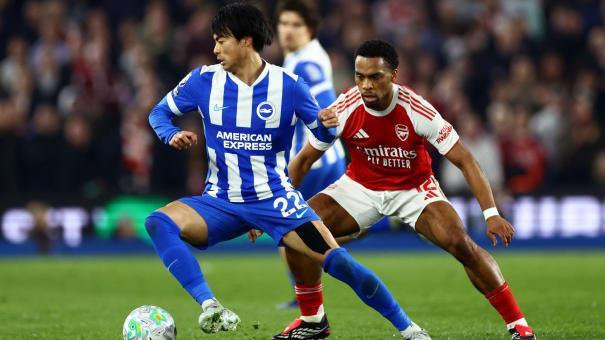
Across the league, sponsorship agreements extend far beyond logo placement on shirts. From front-of-shirt partnerships and sleeve sponsors to stadium naming rights and official club partners, commercial relationships now span a wide range of partnership forms, and industries.
Financial services, airlines, betting companies, technology brands, automotive manufacturers, and emerging sectors such as cryptocurrency and fintech all compete for visibility within the Premier League’s global spotlight.
The commercial strategies of clubs vary significantly depending on their global profile, historical success, and market appeal. Some of the league’s biggest clubs attract multinational corporations willing to invest heavily for global exposure, while others form partnerships with regional or industry-specific brands. As a result, the sponsorship landscape of the Premier League reflects both the hierarchy within the league and broader trends in global business.

An Overview of Sponsorships in the Premier League
The commercial ecosystem of the Premier League is vast, with 415 sponsors recorded across its 20 clubs. This equates to an average of approximately 25 sponsorship deals per club, illustrating just how embedded brand partnerships have become in modern football. From global corporations to regional partners, clubs are leveraging their international reach to secure a wide range of deals, reinforcing the league’s position as one of the most marketable sports competitions in the world.
Which Industries Sponsor the Most?
The range of industries represented across Premier League sponsorships is both wide and varied, with 19 distinct sectors identified. Clubs typically engage with around 11 industries on average, underlining how commercial strategies are built to attract partners from multiple markets. Notably, food and beverage (17%), financial & professional services (11%), and technology (11%) stand out as the most common industries, illustrating a clear trend leveraging football’s visibility to strengthen brand presence and consumer connection.

The Industries Dominating Sponsorships
The commercial landscape of the Premier League has increasingly come to reflect the dominance of a few powerful industries, particularly food and beverage, finance, betting, and technology. Financial services firms, ranging from global banks to fintech platforms, have established a strong foothold, leveraging club partnerships to signal stability and international reach. At the same time, gambling companies have become one of the most visible sponsors, especially on shirt fronts and sleeve deals, despite ongoing regulatory scrutiny in the UK. Their heavy presence underscores both the league’s global visibility and the profitable returns these firms see in football’s vast, engaged audience.
Airlines and tourism boards represent another major force. Clubs aligned with brands like Emirates or Etihad Airways benefit from long-term, high-value deals that tie football success to national branding strategies. Meanwhile, technology companies, especially those in consumer electronics, cloud services, and crypto, are carving out a growing share of sponsorship inventory. Companies like Samsung and Amazon have used Premier League affiliations to reinforce their presence in global markets. Altogether, the league’s sponsorship ecosystem reflects broader economic trends: industries with high margins, global ambitions, and competitive marketing strategies are the ones most able and willing to dominate this highly visible space.

Rise of Tech & Crypto
In recent years, the Premier League has seen a notable surge in sponsorship activity from technology and crypto-related companies, reflecting broader shifts in the global economy. Traditional tech giants initially led the way, with firms like Amazon and Microsoft partnering with clubs and the league to promote cloud services, broadcasting innovations, and consumer ecosystems.
However, the real change came with the emergence of cryptocurrency platforms, blockchain startups, and digital asset exchanges, which viewed football as a gateway to mainstream recognition. Sleeve sponsors, training kit deals, and “official partner” designations became common entry points for these firms looking to build trust and visibility among global fanbases. Crypto companies such as Crypto.com and OKX rapidly expanded their footprint, often outbidding traditional sectors for premium sponsorship placements.
While tech remains a stable and growing pillar of Premier League sponsorships, the crypto segment in particular underscores the significant opportunity to leverage football’s global reach as a powerful platform for accelerating brand recognition, especially for fast-evolving industries.

Global v Domestic Brands
The sponsorship landscape of the Premier League highlights a clear and growing divide between global and domestic brands, with international companies increasingly dominating high-value partnerships. Global brands, particularly in sectors like airlines, finance, and consumer goods, are drawn to the league’s vast international audience, using club sponsorships as a platform to build recognition across multiple continents.
This global tilt is especially pronounced among the league’s biggest clubs, whose worldwide fanbases and consistent exposure in international competitions make them highly attractive to multinational sponsors. The traditionally bigger clubs are far more likely to secure deals with globally recognised brands across multiple categories, from shirt sponsors to official regional partners. In contrast, smaller Premier League clubs tend to rely more heavily on domestic and locally rooted businesses, building sponsorship portfolios that emphasise community connection and regional relevance.
This dynamic underscores a broader commercial reality within the league. While global brands shape the upper tier of sponsorship revenue and visibility, domestic sponsors remain essential to the identity and financial stability of smaller clubs. The contrast between globally driven partnerships at the top and community-oriented deals further down the table illustrates how the Premier League’s commercial ecosystem mirrors its competitive structure - internationalised at the top, but still deeply rooted in local contexts at its core.

A Diverse & Dynamic Sponsorship Landscape
The Premier League offers a diverse range of opportunities, with each club bringing its own unique strengths to the sponsorship landscape. Clubs such as Liverpool FC, Manchester City FC, and Arsenal FC benefit from extensive global fanbases, regular participation in elite competitions, and highly developed commercial operations. These attributes make them especially attractive to multinational sponsors seeking broad international visibility and large-scale brand exposure.
In contrast, clubs like Brentford FC, Wolverhampton Wanderers FC, and Fulham FC operate with comparatively smaller revenues and a more focused global footprint. This dynamic is reflected in their sponsorship portfolios, but it also creates a compelling opportunity for brands. These clubs provide access to the same highly visible platform of the Premier League at a significantly lower investment level and with greater flexibility. For brands, this opens the door to enter one of the world’s most-watched leagues through more accessible, shorter-term agreements, enabling a “test and learn” approach before committing to larger, long-term deals.
As a result, this landscape highlights a strategic advantage: smaller clubs offer brands the chance to build authentic, locally resonant partnerships while still benefiting from global exposure - creating a powerful blend of community connection and international visibility.
Conclusion
In conclusion, the Premier League’s sponsorship landscape represents far more than a collection of commercial partnerships - it is a dynamic ecosystem that offers brands multiple entry points aligned to their ambitions, scale, and target audiences. The range of industries involved, from finance and aviation to technology and betting, underlines the league’s exceptional commercial appeal and its ability to connect brands with fans at both global and local levels.
Rather than a divide, this structure creates a tiered sponsorship environment where brands can enter the Premier League at a level that reflects their strategic goals and grow alongside their chosen club. Whether aiming for global visibility or deep local resonance, sponsors can find a natural fit within the league’s hierarchy, both on and off the pitch.
Frequently Asked Questions
Sponsorship is the financial support for a sporting event, organisation or athlete by an outside body, for the mutual benefit of both parties. At the professional level this tends to be by companies, to raise the profile of their brand by associating it with the athlete.
The company aims to generate brand awareness and customer recognition, whilst the event, organisation or athlete receives a boost in funding.
A popular example is a brand logo printed on a team shirt. Visibility is guaranteed, even more so in the modern world with social media and online highlights.
In the land of media and marketing rights today, there is no cookie-cut solution for brands, and a simple logo placement will not provide the sufficient return on investment (ROI) for sponsorship, nor does it give their target audience the “why?” - the reason to spend their money and engage with the product.
Companies investing in sports sponsorship need to look at the bigger picture to engage with fans and not rely on just one piece of inventory.
Sponsorship is a distinct and widely used form of marketing. It is a strategic business alliance where a brand provides financial or in-kind support to an event, team, athlete, or organisation in exchange for promotional benefits.
This collaboration aims to enhance brand visibility, build positive associations, and engage target audiences. Sponsorship is an integral part of a company's marketing strategy, contributing to the overall promotional mix alongside advertising, public relations, and personal selling.
It allows brands to connect with consumers in a meaningful way, leveraging the popularity and appeal of the sponsored entity to achieve specific marketing objectives. Whether in sports, entertainment, or other industries, sponsorship is a powerful tool for creating brand recognition, fostering customer loyalty, and aligning with the values and interests of the target market.
If you are interested in becoming a sponsor, the specific contact person or department will depend on the entity or property you want to sponsor.
Sports Marketing Agencies: Agencies like SPORTFIVE specialise in connecting sponsors with sports opportunities. Contact their business development or sponsorship departments.
Sports Teams or Clubs: Contact the sponsorship or partnership department within the sports team or club.Look for information on the team's official website regarding sponsorship opportunities and contact details.
Sports Events or Leagues: Reach out to the event organiser's sponsorship or partnership department. Event websites often have dedicated sections providing information for potential sponsors.
Athletes: Contact the athlete's management or agent, who typically handles sponsorship inquiries. Some athletes manage their sponsorships independently, and contact information may be available on their official website or social media.
Sports Federations: Reach out to the sponsorship or business development department of the relevant sports federation. Check the official website of the federation for sponsorship guidelines and contact information.
For specific details, visit the official website of the entity you are interested in sponsoring or directly inquire through the provided contact information. If the information is not readily available, consider reaching out to the general contact line or email provided on their official platforms, and they can direct you to the appropriate department.
Choosing the right sponsorship for your goals involves strategic consideration of your brand objectives and target audience. Follow these steps:
Define Objectives: Clearly outline your marketing and business objectives for the sponsorship, whether it's brand visibility, customer engagement, or community outreach.
Know Your Audience: Understand your target audience and align sponsorship opportunities with their demographics, interests, and behaviours.
Relevance: Choose sponsorships that align with your brand values and resonate with your audience, creating authentic connections.
Evaluate Opportunities: Assess potential sponsorships based on factors like reach, engagement potential, and the alignment of the sponsored entity with your brand image.
Budget Considerations: Evaluate the financial aspects, ensuring the sponsorship aligns with your budget while delivering significant value.
Negotiate Terms: Work with the sponsored entity to negotiate terms that meet your goals, ensuring a mutually beneficial partnership.
By aligning sponsorships with your brand objectives, audience demographics, and values, you can choose opportunities that effectively contribute to the success of your marketing and business goals.
Identifying appropriate sponsorships in the sports industry involves a strategic approach which considers your brand's goals and the dynamics of the sports landscape:
Define Objectives: Clearly articulate your marketing objectives, whether it's brand awareness, audience engagement, or community outreach.
Audience Alignment: Identify sports properties that resonate with your target audience, ensuring relevance and engagement.
Brand Values: Seek sponsorships that align with your brand's values and image, creating authentic connections with the sports entity.
Research Opportunities: Explore various sports teams, events, or athletes to find opportunities that match your criteria. Look for entities with a strong and positive presence.
Evaluate Reach: Assess the reach and visibility of potential sponsorships, considering factors like broadcast exposure, social media following, and event attendance.
Budget Considerations: Ensure that the sponsorship aligns with your budget while providing significant value in terms of visibility and audience engagement.
By considering these factors, you can identify sports sponsorships that align with your brand's goals, resonate with your target audience, and contribute to a successful partnership within the sports industry.
A good sponsorship fit is characterised by the alignment of the sponsoring brand with the sponsored entity in a way that creates mutual value and resonates with the target audience. Several factors contribute to a strong sponsorship fit:
Relevance: The sponsorship should align with the values, image, and interests of both the sponsoring brand and the sponsored entity, creating a natural and authentic connection.
Target Audience Alignment: The audience of the sponsored entity should closely match the target demographic of the sponsoring brand, ensuring that the partnership reaches the right consumers.
Brand Image Consistency: The sponsorship should enhance, not contradict, the overall image and messaging of the sponsoring brand, contributing positively to its perception.
Engagement Opportunities: A good fit provides meaningful opportunities for engagement, whether through events, activations, or collaborative campaigns, ensuring that the partnership goes beyond mere visibility.
Mutual Goals: Both the sponsor and the sponsored entity should share common objectives and goals, fostering a collaborative approach to the partnership.
Long-Term Viability: Ideally, a good sponsorship fit has the potential for a long-term relationship, allowing both parties to grow and evolve together.
Ultimately, a successful sponsorship fit is one where the collaboration is strategic, authentic, and creates a win-win scenario for both the sponsor and the sponsored entity.
Establishing a partnership with an athlete, club, or federation involves a strategic approach and effective negotiation. Here are steps for each:
Athlete Partnership
Research: Identify athletes whose values align with the brand. Consider their audience demographics and market relevance.
Contact and Proposal: Reach out to the athlete or their management with a well-crafted proposal outlining the partnership benefits, objectives, and terms.
Negotiation: Discuss terms such as sponsorship duration, financial arrangements, and activation plans. Ensure mutual understanding and agreement.
Club Partnership
Research and Alignment: Research clubs that resonate with the brand's values and target audience. Align objectives with the club's goals.
Engage with Key Stakeholders:Reach out to club executives or sponsorship managers to discuss potential collaborations.
Customised Proposal: Present a tailored proposal highlighting the benefits, including branding opportunities, fan engagement, and joint marketing initiatives.
Federation Partnership
Understand Objectives: Understand the federation's goals and priorities. Align brand objectives with the federation's mission.
Engage with Decision-Makers: Reach out to key decision-makers within the federation to discuss potential partnerships.
Collaborative Planning: Work together to create a mutually beneficial partnership plan, considering financial contributions, promotional activities, and long-term goals.
Building relationships, demonstrating the value of the partnership, and negotiating terms collaboratively are key elements in establishing successful partnerships in the sports industry.
SPORTFIVE is a global sports marketing agency that specialises in sports rights, marketing, and entertainment. We work with sports organisations, clubs, and brands to create and optimise commercial opportunities in the sports industry. SPORTFIVE is involved in various aspects of sports business, including the sale of broadcasting rights, sponsorship and partnership management, stadium naming rights, and other marketing initiatives.
SPORTFIVE creates innovative, engaging solutions that are worthy of the incredible sports, athletes and partners we work with, and the passionate fans who follow them. Campaigns are built collaboratively, based on trust and transparency, and enabled by a deep understanding of the industry, the agency’s global reach, digital intelligence and creative courage.
The result is gamechanging sports partnerships that redefine standards in the sports and entertainment space.
SPORTFIVE believes in the power of five - bringing brands, rights holders, media platforms, fans and ‘us’ together through sport.
SPORTFIVE is a global sports marketing agency that specialises in various aspects of the sports and entertainment industry. The agency works with sports organisations, teams, and brands to optimise commercial opportunities.
One of SPORTFIVE's key areas of focus is the sale and management of sports media rights, including broadcasting and digital distribution deals. They negotiate and facilitate partnerships, sponsorships, and naming rights for sports entities, helping them enhance their brand value and revenue streams.
Additionally, SPORTFIVE provides expertise in marketing strategies, assisting clients in building strong connections with their target audiences. Their comprehensive approach spans across the sports business landscape, from media rights to sponsorship management, contributing to the overall growth and success of their clients in the dynamic world of sports marketing.
SPORTFIVE is a global sports marketing agency that operates in the sports and entertainment industry. The agency specialises in various aspects of sports marketing, including the sale of sports media rights, sponsorship and partnership management, and the creation of marketing strategies for sports organisations, teams, and events. They work with a wide range of clients, including sports leagues, clubs, and brands, helping them maximise their commercial potential in the sports market.
SPORTFIVE is known for its expertise in negotiating and managing broadcasting rights, which involves securing deals for the distribution of sports content through various media channels. Additionally, they are involved in the management of sponsorship agreements, helping sports entities form partnerships with brands for mutual benefit.
