
Franchise Cricket: Building a Global, Always‑On Sports Property
Published on
Cricket’s rise as a modern global sports property has been driven by structural change, commercial innovation and a rethinking of how the sport is packaged and consumed. Central to this shift is franchise cricket, which has transformed both cricket’s economics and its cultural reach.
The Indian Premier League is the clearest example. Since launching in 2008, it has grown into one of the world’s most valuable sports properties, with an estimated value of $18.5bn by 2025. Its current media rights cycle (2023–27), worth $6.2bn, is 143% higher than the previous deal, ranking second globally on a per‑match basis behind only the NFL.

From Domestic Competition to Global Ecosystem
The IPL’s success has catalysed a global network of T20 and short‑format leagues. Competitions such as SA20, ILT20 and Major League Cricket have adopted the franchise model, accelerating cricket’s expansion into new markets while reinforcing its presence in established ones. Together, these leagues have turned cricket into a year‑round broadcast and entertainment product that travels across platforms, time zones and regions.
Unlike traditional international calendars, franchise cricket delivers a consistent flow of premium content, enabling broadcasters to programme at scale and brands to engage fans beyond isolated tournament windows. While broadcasting remains the primary revenue driver, it is now supported by sponsorship, digital activations, hospitality and merchandise. Cricket has shifted from a seasonal rights sale to a multi‑market, multi‑format commercial ecosystem, offering flexible entry points for brands of different sizes and ambitions.

Multi Club Ownership: Scaling the Model
One of the most influential developments within franchise cricket has been the rise of multi‑club ownership. Borrowed from global football, this model allows ownership groups to operate teams across multiple leagues and continents, creating operational efficiencies, shared fanbases and consistent brand identities.
Ownership groups linked to franchises such as Mumbai Indians, Knight Riders Group and Rajasthan Royals now maintain a presence across markets including India, South Africa, the Middle East, the Caribbean, the United States and the UK. For fans, this creates continuous engagement and interconnected storytelling. For partners, it unlocks scalable, multi‑territory sponsorship platforms with measurable reach and year‑round visibility.
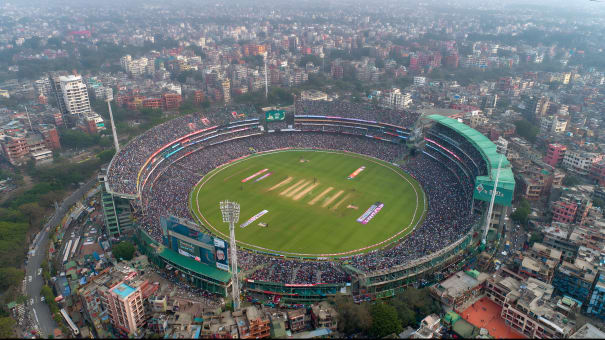
Cricket has, in effect, evolved from a collection of standalone competitions into a globally connected entertainment ecosystem.
A New Commercial Reality
While cricket’s global popularity has long been established, with a fanbase exceeding one billion, the franchise era has unlocked commercial potential that was previously under‑realised at a global level. The sport now offers high‑frequency engagement, strong emotional connection and growing digital sophistication, aligning more closely with the expectations of modern audiences and brand partners.
Franchise cricket has not replaced the international game, but it has rebalanced the ecosystem. It has created new career pathways for players, expanded inventory for broadcasters and opened new storytelling opportunities for brands, all while extending cricket’s geographic and commercial reach.
SPORTFIVE's latest whitepaper, Cricket Reborn: Unlocking Global Commercial Growth, is designed for anyone seeking to understand more about how cricket is evolving and how to be part of its future. The whitepaper reinforces SPORTFIVE’s commitment to helping shape the sport’s global development while unlocking new opportunities for stakeholders across the cricket ecosystem.
Click here to find out more about Cricket Reborn and download your copy today.
Frequently Asked Questions
Marketing is crucial in sports for several reasons. Firstly, it enhances the visibility and popularity of sports teams, athletes, and events, attracting a broader audience and increasing fan engagement. Effective marketing strategies help create a strong brand image, fostering a connection between fans and their favourite teams or athletes. This emotional connection often leads to increased fan loyalty and support, translating into higher ticket sales, merchandise purchases, and overall revenue for sports organisations.
Moreover, marketing in sports plays a pivotal role in securing sponsorships and partnerships. Brands are drawn to sports entities with a significant and engaged fan base, offering lucrative opportunities for sponsorship deals. These partnerships not only provide financial support but also contribute to the overall prestige and marketability of the sports brand.
In the contemporary landscape, digital marketing and social media have become integral components of sports marketing, allowing for real-time interaction with fans, personalised content delivery, and global reach. Social media platforms serve as powerful tools to amplify the sports narrative and engage with fans on a more intimate level.
Ultimately, successful sports marketing goes beyond promoting matches and events; it cultivates a culture, builds communities, and transforms sports into a compelling and marketable entertainment product, driving the industry's growth and sustainability.
Sports event marketing involves a strategic process aimed at promoting and maximising the success of a sporting event. The first step is thorough planning, where organisers define objectives, target audiences, and budget constraints. Understanding the unique selling points of the event, such as star athletes, special promotions, or unique experiences, is crucial for effective promotion.
Once the plan is in place, organisers employ various promotional channels, including digital and social media, traditional advertising, and partnerships. Creating engaging content, such as teasers, behind-the-scenes footage, and interactive campaigns, helps build anticipation and generate buzz.
Ticket sales and registration mechanisms are carefully integrated into the marketing strategy. Offering early-bird discounts, exclusive packages, or limited-time promotions encourages early engagement.
On the event day, creating a captivating atmosphere and leveraging social media for real-time updates enhances the overall experience. Post-event marketing involves sharing highlights, testimonials, and future event announcements, maintaining the event's momentum and fostering long-term engagement.
Throughout this process, measuring key performance indicators, gathering attendee feedback, and adapting strategies based on data analysis contribute to continuous improvement and the success of future sports events. Effective sports event marketing requires a dynamic approach that integrates creativity, technology, and audience engagement to deliver memorable experiences and ensure the event's enduring success.
Choosing the right target audience in sports marketing is crucial for creating effective and resonant campaigns. Here are tips and strategies to identify and engage the appropriate audience:
Define Marketing Objectives: Clearly outline your marketing goals. Whether it's brand awareness, fan engagement, or product sales, understanding your objectives guides audience selection.
Understand Your Brand: Identify the core values and identity of your brand. Understanding your brand's personality helps in aligning with an audience that shares similar values.
Analyse Demographics: Gather demographic data such as age, gender, location, income, and education. This information helps create a profile of your ideal audience.
Study ‘Psychographics’: Go beyond demographics to understand the psychographics of your audience - values, interests, lifestyles, and attitudes. This provides deeper insights into consumer behaviour.
Consider Fan Affiliation: If you are associated with a sports team or event, consider the existing fan base. Targeting fans of the specific sport or team ensures a built-in audience.
Utilise Market Segmentation: Segment your target market based on shared characteristics or behaviours. This allows for more personalised and targeted marketing efforts.
Evaluate Media Consumption Habits: Understand where your target audience consumes sports content. Whether it's through TV, social media, or live events, tailor your strategy to their preferred channels.
Leverage Analytics and Data: Utilise data analytics to track consumer behaviour, engagement metrics, and market trends. This data-driven approach helps refine your targeting over time.
Engage in Market Research: Conduct surveys, interviews, or focus groups to gather direct feedback from your audience. This qualitative data can provide valuable insights.
Monitor Competitor Strategies: Analyse the sports marketing strategies of competitors targeting a similar audience. Identify gaps or opportunities to differentiate your approach.
Embrace Personalization: Tailor your messaging and campaigns to resonate with specific segments within your target audience. Personalization enhances engagement and connection.
Stay Flexible and Adaptive: Consumer behaviours evolve, and trends change. Stay flexible and adaptive, adjusting your strategies based on shifts in the market.
Utilise Social Listening: Monitor social media conversations to understand what your target audience is discussing, sharing, and engaging with. Social listening provides real-time insights.
Create Buyer Personas: Develop detailed buyer personas representing your ideal customers. This helps humanise your target audience and guides content creation.
Engage in Continuous Feedback: Encourage feedback from your audience through surveys, comments, or reviews. Continuous feedback helps refine your understanding of their preferences.
By combining these strategies, sports marketers can identify, understand, and engage their target audience more effectively, leading to successful campaigns and a stronger connection with consumers.
Sports marketing encompasses various strategies and channels aimed at promoting and improving the visibility of sporting events, teams, athletes, and associated brands. Here is a list of the main types of sports marketing:
Sponsorship marketing:
- Naming rights: Companies pay for the naming rights to stadiums, events, or competitions, thereby associating their brand with a sports property.
- Team sponsorship: Brands sponsor sports teams and gain visibility through their logos on jerseys, equipment, and team facilities.
- Athlete promotion: Brands partner with athletes to promote their products, leveraging the athletes' image and popularity.
Advertising in sports
- Audiovisual advertising: commercials aired during televised or streamed sporting events.
- Stadium advertising: billboards, banners, and digital screens in sports venues.
- Print and digital advertising: ad placements in sports magazines, websites, and mobile apps.
Event marketing
- Promotions and gifts: special offers, discounts, or gifts to attract participants.
Social media marketing
- Content creation: sharing engaging and relevant content on platforms such as Instagram, Twitter, and Facebook.
- Influencer partnerships: collaborating with sports influencers and athletes to reach a wider audience.
- Live streaming: broadcasting live events, behind-the-scenes footage, or exclusive content on social media.
Community and local marketing
- Youth and amateur sports: engaging with local communities through youth programs and local initiatives.
- Community events: participating in or organizing events that help build relationships with local residents.
- Sponsorship of local teams: supporting and sponsoring local amateur sports teams.
Content marketing
- Branded content: creation and promotion of content in line with brand values in a sports context.
- Documentaries and series: development of long-form content telling compelling stories in the field of sports.
Digital and mobile marketing
- Mobile apps: developing apps for teams or events to boost fan engagement.
- Email marketing: using email campaigns to communicate with fans and promote events.
- Augmented reality (AR) and virtual reality (VR): integrating immersive experiences into marketing efforts.
Public Relations (PR) and Media Relations
- Press releases: Distributing information to the media to generate media coverage.
- Media interviews: Organizing interviews with athletes, coaches, and team representatives to build positive narratives.
By combining these different types of sports marketing, organizations can create comprehensive, integrated strategies to achieve their marketing goals within the dynamic sports industry.
Key Performance Indicators (KPIs) for sports marketing encompass various metrics that measure the effectiveness and success of marketing efforts in the sports industry. Here are key performance indicators commonly used in sports marketing:
Fan Engagement Metrics
Social Media Engagement: Likes, shares, comments, and overall interaction on social media platforms
Follower Growth: Increase in the number of followers on social media accounts
Brand Visibility
Impressions: The total number of times a marketing message is displayed
Reach: The total number of unique users exposed to a marketing message
Ticket Sales and Attendance
Ticket Revenue: Financial performance related to ticket sales
Attendance Rates: Number of spectators attending live events
Conversion Rates
Website Conversion Rate: Percentage of website visitors who take the desired action (e.g., purchasing tickets, merchandise)
Email Conversion Rate: Percentage of recipients who take a desired action after receiving an email.
Sponsorship Activation
Sponsorship Value: Measurement of the exposure and benefits gained from sponsorships
Activation Success: The effectiveness of initiatives to activate sponsorships, such as branded content and events.
Brand Sentiment
Sentiment Analysis: Assessment of public sentiment toward the brand, gauged through social media mentions and comments.
Content Engagement
Content Views: Number of views on videos, articles, or other content
Time Spent on Content: Average time users spend consuming content
Merchandise Sales
Merchandise Revenue: Financial performance related to the sale of branded merchandise
Email Marketing Metrics
Open Rate: Percentage of recipients who opened an email
Click-Through Rate (CTR): Percentage of recipients who clicked on links within an email
Brand Partnerships
Partnership Value: Assessing the value generated from collaborations and partnerships.
Co-Branding Success: Effectiveness of joint marketing efforts with partners.
In-Game or Event Metrics
TV Viewership: Number of viewers watching sports events on television
In-Stadium Engagement: Measurement of fan engagement and activities during live events.
Customer Satisfaction Surveys
Surveys and Feedback: Direct feedback from fans, attendees, or customers.
Return on Investment (ROI)
Marketing ROI: Comparison of the financial returns to the investment made in marketing campaigns.
Player or Athlete Influence
Athlete Endorsement Impact: Measurement of the impact of athlete endorsements on brand perception and engagement.
Digital and Social Media Analytics
Social Media Analytics: Platform-specific metrics such as Twitter impressions, Instagram likes, and Facebook shares.
Customising KPIs based on specific campaign goals, target audience, and industry trends allows sports marketers to gain valuable insights into the effectiveness of their strategies and make data-driven decisions for future initiatives.
