
How The Digital‑First Cricket Fan Is Redefining Value
Published on
Cricket’s resurgence is not driven by format innovation alone. Equally important is the evolution of its audience. Today’s cricket fan is younger, more digitally native and more globally connected than at any point in the sport’s history, a shift that is fundamentally redefining how cricket creates and captures value.
Cricket is already one of the world’s largest sports, followed by more than one billion fans globally. Crucially, 60.4% of these fans are under the age of 35, highlighting a generational shift that is shaping consumption habits, platform preferences and commercial expectations.
In this Insight:
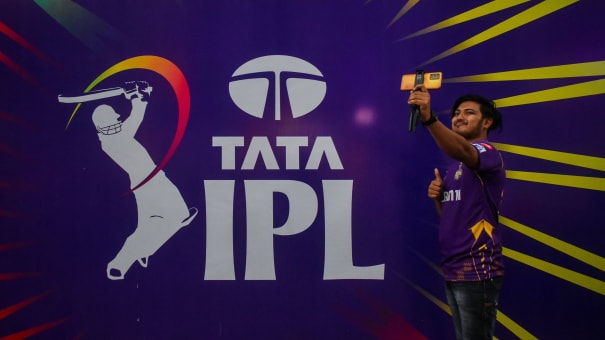
Digital Consumption at Scale
Across markets, cricket is increasingly consumed on screens rather than in stadiums. Streaming, highlights and social media now sit at the heart of fan engagement, particularly in markets where mobile connectivity and data affordability have accelerated adoption.
India provides the clearest illustration. In 2025, 78.4% of Indian fans interested in the IPL followed the league via a streaming device, underlining the dominance of OTT platforms in cricket consumption. That same year, the IPL final recorded a peak of 55 million concurrent viewers on JioHotstar, the highest live‑stream figure ever recorded in the country.
Across the season, the IPL delivered 840 billion viewing minutes across TV and digital platforms, reinforcing cricket’s position as one of the most powerful drivers of audience attention in global sport.

Beyond Live Matches
Cricket’s digital footprint extends far beyond live broadcasts. ICC platforms alone generated 1.2 billion social engagements, while the 2023 Men’s Cricket World Cup recorded 16.9 billion video views worldwide.
These figures highlight a critical behavioural shift: cricket is increasingly consumed in moments, clips and real‑time social interactions, not just full matches.
This change has profound implications. Digital platforms are no longer just distribution channels, they are commercial environments that enable deeper storytelling, richer data capture and more personalised fan experiences.

The Rise of Player‑First Fandom
Alongside platform change, fan loyalty is evolving. Today’s cricket fans increasingly align with individual players rather than teams, reflecting broader influencer culture.
Leading cricketers now rank among the most followed athletes globally, with their personal channels delivering scale, authenticity and engagement that rivals traditional media outlets.
This player‑first dynamic has expanded cricket’s commercial toolkit. Brands can now activate through player‑led content, behind‑the‑scenes storytelling and real‑time social engagement, creating more authentic connections with younger audiences who expect relevance and immediacy.

Cricket now offers a rare combination: global scale, year‑round relevance and digitally engaged audiences. Sponsorship effectiveness is no longer defined by logo exposure alone, but by integration, storytelling and measurable impact across platforms.
As cricket prepares for further global expansion, including its return to the Olympic Games in Los Angeles in 2028, understanding these audience dynamics will be critical. Growth will be driven not just by new markets, but by the sport’s ability to meet fans where they already are: online, mobile and socially connected.
SPORTFIVE's latest whitepaper, Cricket Reborn: Unlocking Global Commercial Growth, is designed for anyone seeking to understand more about how cricket is evolving and how to be part of its future. The whitepaper reinforces SPORTFIVE’s commitment to helping shape the sport’s global development while unlocking new opportunities for stakeholders across the cricket ecosystem.
Click here to find out more about Cricket Reborn and download your copy today.
Frequently Asked Questions
Sports sponsorship lets brands create emotional content and become an integral part of fans’ daily lives. Every year, over 58 billion euros* are invested in sports sponsorship around the world as a way of reaching and acquiring customers through fan engagement.
€58bn* global volume in sports sponsorship in 2018
Marketing is crucial in sports for several reasons. Firstly, it enhances the visibility and popularity of sports teams, athletes, and events, attracting a broader audience and increasing fan engagement. Effective marketing strategies help create a strong brand image, fostering a connection between fans and their favourite teams or athletes. This emotional connection often leads to increased fan loyalty and support, translating into higher ticket sales, merchandise purchases, and overall revenue for sports organisations.
Moreover, marketing in sports plays a pivotal role in securing sponsorships and partnerships. Brands are drawn to sports entities with a significant and engaged fan base, offering lucrative opportunities for sponsorship deals. These partnerships not only provide financial support but also contribute to the overall prestige and marketability of the sports brand.
In the contemporary landscape, digital marketing and social media have become integral components of sports marketing, allowing for real-time interaction with fans, personalised content delivery, and global reach. Social media platforms serve as powerful tools to amplify the sports narrative and engage with fans on a more intimate level.
Ultimately, successful sports marketing goes beyond promoting matches and events; it cultivates a culture, builds communities, and transforms sports into a compelling and marketable entertainment product, driving the industry's growth and sustainability.
Sports marketing encompasses various strategies and channels aimed at promoting and improving the visibility of sporting events, teams, athletes, and associated brands. Here is a list of the main types of sports marketing:
Sponsorship marketing:
- Naming rights: Companies pay for the naming rights to stadiums, events, or competitions, thereby associating their brand with a sports property.
- Team sponsorship: Brands sponsor sports teams and gain visibility through their logos on jerseys, equipment, and team facilities.
- Athlete promotion: Brands partner with athletes to promote their products, leveraging the athletes' image and popularity.
Advertising in sports
- Audiovisual advertising: commercials aired during televised or streamed sporting events.
- Stadium advertising: billboards, banners, and digital screens in sports venues.
- Print and digital advertising: ad placements in sports magazines, websites, and mobile apps.
Event marketing
- Promotions and gifts: special offers, discounts, or gifts to attract participants.
Social media marketing
- Content creation: sharing engaging and relevant content on platforms such as Instagram, Twitter, and Facebook.
- Influencer partnerships: collaborating with sports influencers and athletes to reach a wider audience.
- Live streaming: broadcasting live events, behind-the-scenes footage, or exclusive content on social media.
Community and local marketing
- Youth and amateur sports: engaging with local communities through youth programs and local initiatives.
- Community events: participating in or organizing events that help build relationships with local residents.
- Sponsorship of local teams: supporting and sponsoring local amateur sports teams.
Content marketing
- Branded content: creation and promotion of content in line with brand values in a sports context.
- Documentaries and series: development of long-form content telling compelling stories in the field of sports.
Digital and mobile marketing
- Mobile apps: developing apps for teams or events to boost fan engagement.
- Email marketing: using email campaigns to communicate with fans and promote events.
- Augmented reality (AR) and virtual reality (VR): integrating immersive experiences into marketing efforts.
Public Relations (PR) and Media Relations
- Press releases: Distributing information to the media to generate media coverage.
- Media interviews: Organizing interviews with athletes, coaches, and team representatives to build positive narratives.
By combining these different types of sports marketing, organizations can create comprehensive, integrated strategies to achieve their marketing goals within the dynamic sports industry.
Several trends are shaping the landscape of sports marketing, reflecting the evolving preferences of fans, advancements in technology, and a growing emphasis on sustainability and social responsibility. Here are some current trends in sports marketing:
Digital Engagement and NFTs
The rise of digital engagement through social media, mobile apps, and interactive content. Non-fungible tokens (NFTs) are gaining popularity for unique digital collectibles, allowing fans to own exclusive items tied to sports events.
Augmented and Virtual Reality
Integration of augmented reality (AR) and virtual reality (VR) technologies to enhance fan experiences. Virtual stadium tours, immersive AR experiences, and VR content are becoming prevalent.
E-commerce and Direct-to-Consumer Sales
Sports entities are increasingly focusing on e-commerce, enabling direct-to-consumer sales of merchandise and tickets. This trend enhances fan engagement and allows for personalised interactions.
Personalised Fan Experiences
Customization of fan experiences through data analytics. Personalised content, offers, and interactions tailored to individual preferences contribute to a more engaging and relevant fan experience.
Sustainability Initiatives
Growing emphasis on sustainability and eco-friendly practices in sports marketing. Sports organisations are adopting green initiatives, promoting sustainable events, and engaging in environmental conservation efforts.
Social Responsibility and Inclusivity
A commitment to social responsibility and inclusivity. Sports entities are leveraging their platforms to address social issues, promote diversity and inclusion, and engage in community outreach programs.
Esports Integration
The integration of esports into traditional sports marketing strategies. Esports partnerships, sponsorships, and events are on the rise, attracting a younger and tech-savvy demographic.
Athlete Empowerment and Personal Branding
Athletes are increasingly empowered to build and promote their personal brands through social media, content creation, and endorsements. Authenticity and storytelling play a crucial role in athlete marketing.
Live Streaming and OTT Platforms
The growing importance of live streaming and over-the-top (OTT) platforms for sports content consumption. Sports organisations are exploring direct-to-consumer streaming services to reach global audiences.
Blockchain and Fan Tokenization
The use of blockchain technology for fan tokenization. Sports teams and leagues are launching fan tokens, providing fans with exclusive benefits, voting rights, and a stake in the team's decision-making process.
Health and Wellness Partnerships
Collaborations with health and wellness brands. Sports entities are aligning with brands focused on fitness, nutrition, and overall well-being to promote a healthy lifestyle.
Interactive Content and Gamification
Interactive content and gamification strategies to engage fans. From interactive polls to gamified experiences, sports marketing is leveraging elements of play and competition.
Dynamic Ticket Pricing
Implementation of dynamic ticket pricing models, adjusting ticket prices based on factors such as demand, team performance, and event significance.
Innovative Sponsorship Activations
Creative and innovative sponsorship activations. Brands are exploring unique ways to activate sponsorships, including virtual activations, interactive campaigns, and experiential marketing.
Staying abreast of these trends allows sports marketers to adapt their strategies, engage with their target audience effectively, and create memorable and impactful experiences in the ever-evolving landscape of sports marketing.
The future of sports marketing is expected to be shaped by a combination of technological advancements, shifting consumer behaviours, and a continued focus on sustainability and social responsibility. Here are some potential directions for the future of sports marketing:
Immersive Technologies
Continued integration of immersive technologies such as augmented reality (AR), virtual reality (VR), and extended reality (XR) to create more engaging and interactive fan experiences. Virtual stadium tours, AR-enhanced game broadcasts, and VR fan zones may become commonplace.
Fan Tokenization and Blockchain
Greater adoption of blockchain technology for fan tokenization, enabling fans to have ownership stakes, voting rights, and access to exclusive content. Blockchain can enhance transparency in ticketing, merchandise authentication, and secure transactions.
Personalization and Data Analytics
Further emphasis on personalised fan experiences through advanced data analytics. Sports marketers will leverage data to tailor content, offers, and interactions, fostering deeper connections with individual fans.
Sustainable Practices
Increased commitment to sustainability in sports marketing, with sports organisations implementing eco-friendly initiatives, promoting green events, and incorporating sustainable practices into their operations.
Social Responsibility and Inclusivity
Continued focus on social responsibility and inclusivity. Sports entities will use their platforms to advocate for social causes, promote diversity and inclusion, and engage in community-driven initiatives.
Direct-to-Consumer Strategies
Greater reliance on direct-to-consumer strategies, with sports organisations leveraging e-commerce, streaming services, and personalised digital platforms to connect directly with fans, reducing dependence on traditional distribution channels.
Artificial Intelligence (AI) Integration
Integration of artificial intelligence (AI) for more efficient fan engagement, customer service, and data analysis. AI-driven chatbots, predictive analytics, and automated marketing campaigns will enhance overall efficiency.
Health and Wellness Partnerships
Increased collaborations with health and wellness brands as sports organisations align with companies promoting fitness, nutrition, mental well-being, and overall healthy lifestyles.
Global Expansion and Emerging Markets
A focus on global expansion and tapping into emerging markets, reaching diverse audiences worldwide through strategic partnerships, international events, and region-specific marketing strategies.
Esports Growth
Continued growth of esports and its integration into traditional sports marketing strategies. Esports sponsorships, events, and collaborations will become more prevalent, appealing to a younger and digitally connected audience.
Smart Stadiums and Fan Engagement
Smart stadium initiatives to enhance the in-person fan experience, incorporating technology for personalised services, seamless connectivity, and interactive features that complement live events.
Dynamic Content and Storytelling
Dynamic content creation and storytelling strategies that capture the attention of diverse audiences. Brands will focus on creating compelling narratives and shareable content to resonate with fans emotionally.
Partnerships with Influencers and Creators
Increased partnerships with influencers, content creators, and social media personalities to amplify sports marketing messages and reach broader demographics.
Continuous Innovation
A culture of continuous innovation, with sports marketers embracing emerging technologies, experimenting with new formats, and staying agile to adapt to changing consumer preferences.
The future of sports marketing is dynamic, with technology playing a central role in enhancing fan experiences and engagement. Sports marketers who embrace innovation, prioritise fan relationships, and align with societal values are likely to thrive in this evolving landscape.
